
 magyar
 română
 slovenčina
 čeština
 English
 Deutsch
 polski
 italiano
 español
 svenska
 português
 français
 dansk
dansk
 suomi
suomi
 Nederlands
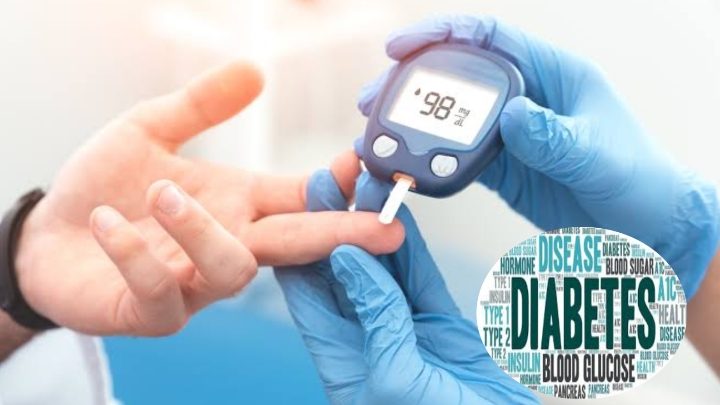
Prediabetes Rising: Importance of Early Screening and Lifestyle Modification
Cholesterol is a waxy, fat-like substance found in all cells of your body. Your body needs cholesterol to make hormones, vitamin D, and substances that help you digest foods. Your liver produces all the cholesterol your body needs, but cholesterol also comes from foods you eat, particularly animal-based products like meat, poultry, and dairy. When you have too much cholesterol in your blood, it can combine with other substances to form deposits called plaque on the walls of your arteries, potentially leading to serious health problems.
Laboratory testing for cholesterol typically involves a lipid panel or lipid profile, which is a blood test that measures different types of cholesterol and fats in your blood. This test usually requires fasting for 9 to 12 hours beforehand, meaning you should not eat or drink anything except water during this time. The lipid panel measures total cholesterol, low-density lipoprotein cholesterol (LDL or "bad" cholesterol), high-density lipoprotein cholesterol (HDL or "good" cholesterol), and triglycerides, which are another type of fat in your blood.
Understanding your cholesterol test results is important for assessing your risk of heart disease and stroke. Total cholesterol levels below 200 milligrams per deciliter are generally considered desirable for adults. LDL cholesterol should ideally be below 100 milligrams per deciliter, as high levels can lead to plaque buildup in arteries. HDL cholesterol, on the other hand, helps remove other forms of cholesterol from your bloodstream, so higher levels are better, with 60 milligrams per deciliter or above considered protective against heart disease. Triglyceride levels should be below 150 milligrams per deciliter.
Healthcare providers recommend cholesterol screening for adults starting at age 20, with testing repeated every four to six years for those with normal results. More frequent testing may be necessary if you have risk factors such as family history of heart disease, obesity, diabetes, high blood pressure, or if you smoke. Children and adolescents may also need cholesterol testing if they have risk factors like obesity, diabetes, or a strong family history of early heart disease. Regular cholesterol testing helps identify potential problems early, allowing for lifestyle changes or medical treatment to reduce your risk of cardiovascular disease.