
 magyar
 română
 slovenčina
 čeština
 English
 Deutsch
 polski
 italiano
 español
 svenska
 português
 français
 dansk
dansk
 suomi
suomi
 Nederlands
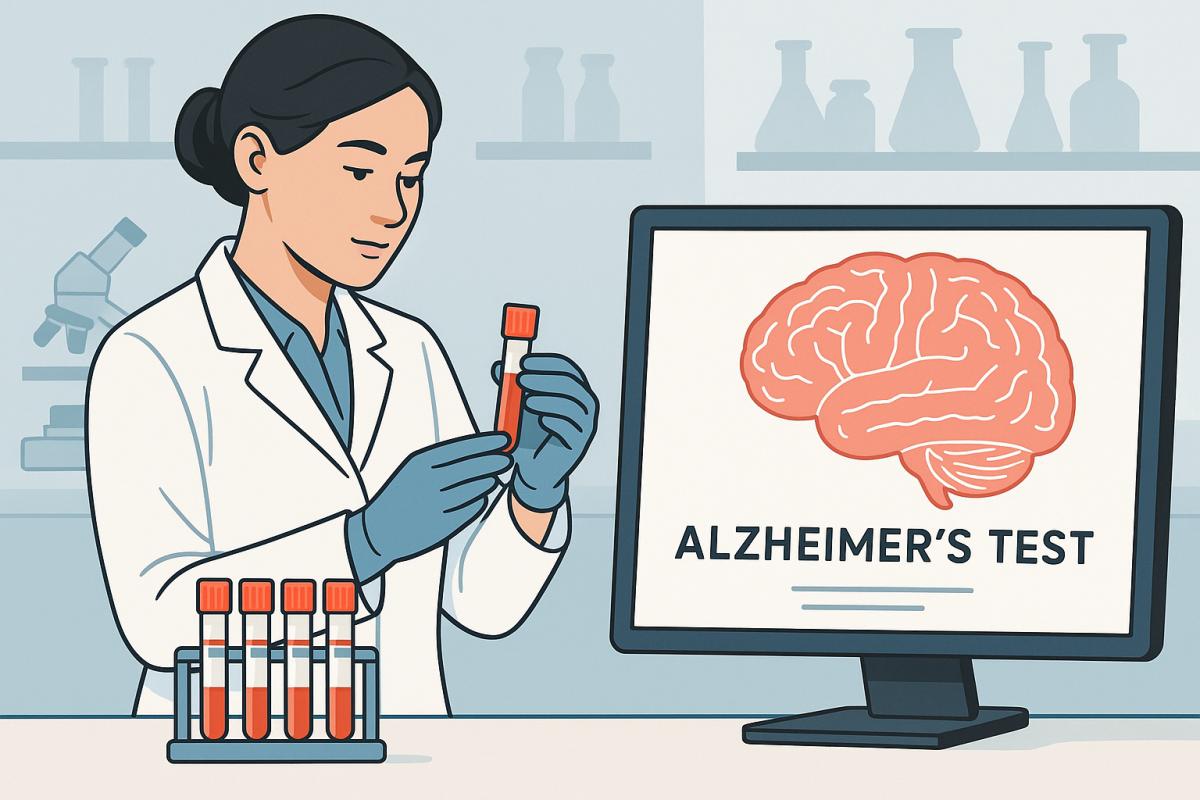
FDA Approves First Alzheimer's Blood Test for Adults 40+ with Cognitive Symptoms
Hepatitis B is a viral infection that affects the liver and can cause both acute and chronic disease. The virus is transmitted through contact with infected blood or body fluids, including through unprotected sexual contact, sharing needles, or from mother to child during childbirth. Many people with hepatitis B may not show symptoms initially, making laboratory testing essential for diagnosis and monitoring.
Laboratory tests for hepatitis B include several different markers that help determine if a person has an active infection, has recovered from a past infection, or has immunity through vaccination. The hepatitis B surface antigen (HBsAg) test is typically the first screening test performed, as its presence indicates an active hepatitis B infection. Additional tests include antibodies to the surface antigen (anti-HBs), which indicate immunity either from vaccination or recovery from infection, and antibodies to the core antigen (anti-HBc), which appear during infection and usually remain detectable for life.
For people diagnosed with hepatitis B, additional laboratory tests help monitor the infection and assess liver health. These include hepatitis B viral DNA tests that measure the amount of virus in the blood, liver enzyme tests such as ALT and AST that indicate liver inflammation, and tests for hepatitis B e antigen (HBeag) and its antibody (anti-HBe) that help determine how active the virus is and the likelihood of transmission. Regular monitoring through these tests helps healthcare providers determine if treatment is needed and how well the liver is functioning.
Screening for hepatitis B is recommended for certain high-risk groups, including people born in areas where hepatitis B is common, individuals with HIV infection, people who inject drugs, men who have sex with men, household and sexual contacts of people with hepatitis B, and pregnant women. Early detection through laboratory testing allows for appropriate medical management and helps prevent transmission to others. Vaccination is available and highly effective at preventing hepatitis B infection, and post-vaccination testing can confirm that protective antibodies have developed.