
 magyar
 română
 slovenčina
 čeština
 English
 Deutsch
 polski
 italiano
 español
 svenska
 português
 français
 dansk
dansk
 suomi
suomi
 Nederlands
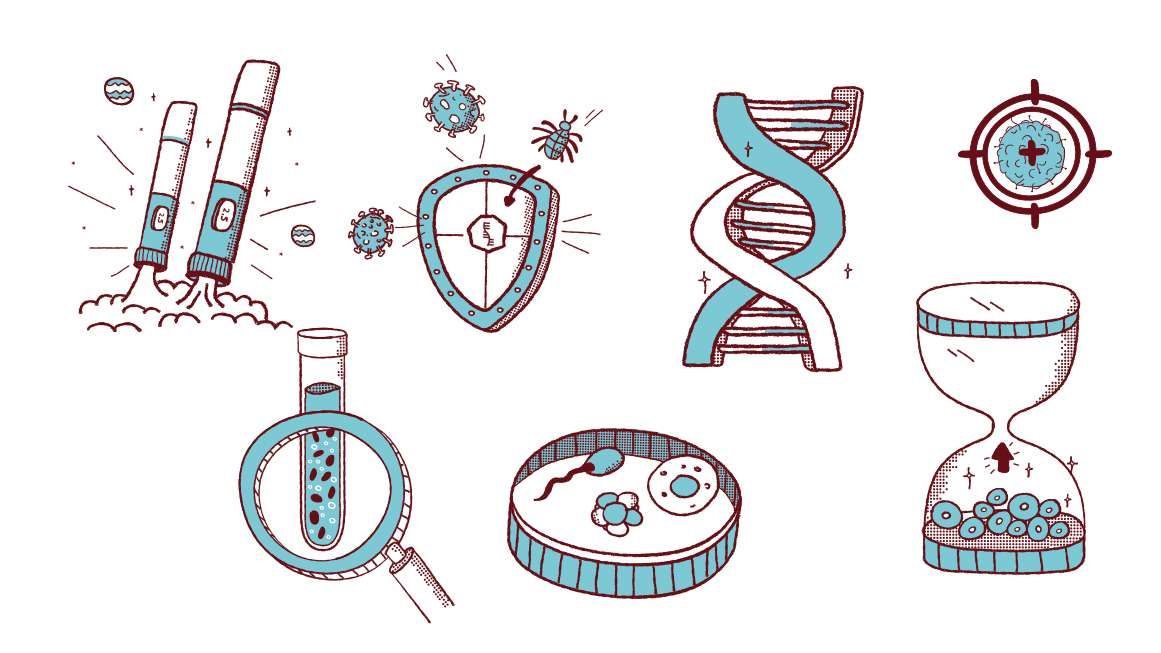
Cancer Vaccines, Anti-Aging Treatments, and 5 Other Biomedical Advances
Hemoglobin A1c, commonly known as HbA1c or glycated hemoglobin, is a blood test that measures the average blood sugar levels over the past two to three months. This test is primarily used to diagnose and monitor diabetes and prediabetes. When glucose circulates in the bloodstream, it binds to hemoglobin, the protein in red blood cells that carries oxygen throughout the body. The more glucose present in the blood, the more hemoglobin becomes glycated. Since red blood cells live for approximately three months, the HbA1c test provides a long-term picture of blood sugar control rather than a snapshot of a single moment.
The HbA1c test is expressed as a percentage. For people without diabetes, a normal HbA1c level is typically below 5.7 percent. A result between 5.7 and 6.4 percent indicates prediabetes, meaning blood sugar levels are higher than normal but not yet high enough to be classified as diabetes. An HbA1c level of 6.5 percent or higher on two separate tests indicates diabetes. For people already diagnosed with diabetes, the target HbA1c level is usually below 7 percent, though individual targets may vary based on age, overall health, and other factors as determined by healthcare providers.
The HbA1c test offers several advantages over other blood sugar tests. Unlike fasting blood glucose tests, it does not require fasting beforehand, making it more convenient for patients. It is also not affected by short-term fluctuations in blood sugar caused by stress, illness, or recent meals. For people with diabetes, regular HbA1c testing helps assess how well their treatment plan is working and whether adjustments are needed in medication, diet, or lifestyle.
Healthcare providers typically recommend HbA1c testing at least twice a year for people with diabetes who are meeting treatment goals and have stable blood sugar control. More frequent testing, such as every three months, may be necessary for those whose treatment has changed or who are not meeting their blood sugar targets. The test is performed using a simple blood sample, which can be drawn from a vein or sometimes obtained through a finger prick in point-of-care settings. Results are usually available within a few days, though rapid testing methods can provide results in minutes at some clinics.