
 magyar
 română
 slovenčina
 čeština
 English
 Deutsch
 polski
 italiano
 español
 svenska
 português
 français
 dansk
dansk
 suomi
suomi
 Nederlands
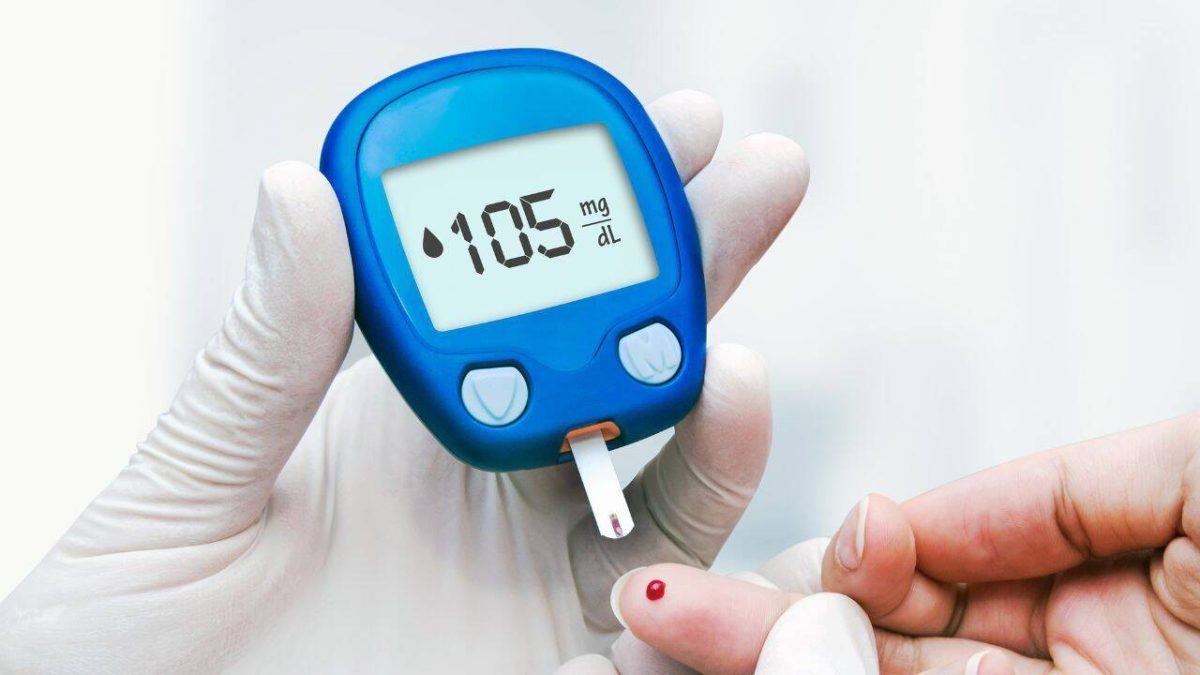
8-Hour Eating Window May Help Control Type 1 Diabetes, Study Finds
Hepatitis C is a viral infection that affects the liver and can lead to serious health complications if left untreated. The hepatitis C virus is primarily transmitted through contact with infected blood, most commonly through sharing needles or other drug injection equipment. It can also be transmitted through unscreened blood transfusions, inadequately sterilized medical equipment, or from mother to child during childbirth, though these routes are less common in countries with proper screening protocols.
Testing for hepatitis C typically involves blood tests that can detect either antibodies to the virus or the virus itself. The initial screening test looks for hepatitis C antibodies, which indicate whether a person has ever been exposed to the virus. If this antibody test is positive, a follow-up test called an HCV RNA test is performed to determine if the infection is current and active. The RNA test detects the genetic material of the virus in the blood and can also measure the viral load, which helps healthcare providers assess the severity of the infection and monitor treatment effectiveness.
Many people with hepatitis C do not experience symptoms in the early stages of infection, which is why the condition is often called a silent disease. When symptoms do occur, they may include fatigue, fever, nausea, loss of appetite, abdominal pain, dark urine, and jaundice, which is a yellowing of the skin and eyes. Chronic hepatitis C infection can develop in a significant number of infected individuals and may eventually lead to liver damage, cirrhosis, or liver cancer over many years.
Laboratory testing plays a crucial role in diagnosing hepatitis C, monitoring disease progression, and evaluating treatment response. Healthcare providers may recommend testing for individuals who have risk factors such as a history of injection drug use, receipt of blood transfusions before widespread screening began, long-term dialysis treatment, or known exposure to hepatitis C positive blood. Early detection through laboratory testing is important because modern antiviral treatments can cure most cases of hepatitis C, preventing serious liver complications and improving long-term health outcomes.