
 magyar
 română
 slovenčina
 čeština
 English
 Deutsch
 polski
 italiano
 español
 svenska
 português
 français
 dansk
dansk
 suomi
suomi
 Nederlands
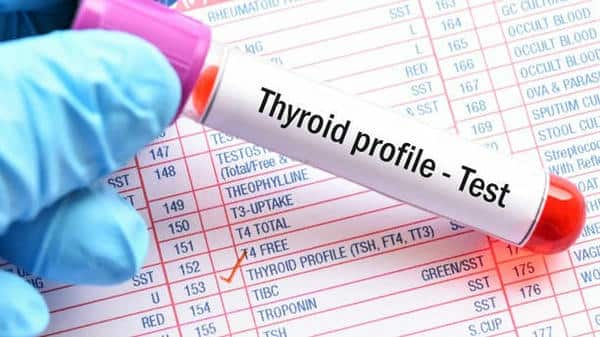
Thyroid Disorders: A Hidden Cause of Infertility
Hemoglobin is a crucial protein found in red blood cells that carries oxygen from the lungs to the rest of the body and returns carbon dioxide back to the lungs for exhalation. Testing hemoglobin levels is one of the most common laboratory tests performed and is typically part of a complete blood count. This test helps healthcare providers diagnose and monitor various medical conditions, particularly those related to blood disorders and overall health status.
Normal hemoglobin levels vary depending on age and sex. For adult men, normal values typically range from 13.5 to 17.5 grams per deciliter, while for adult women, the range is usually 12.0 to 15.5 grams per deciliter. Children and pregnant women have different reference ranges. Low hemoglobin levels, known as anemia, can result from various causes including iron deficiency, vitamin deficiencies, chronic diseases, blood loss, or bone marrow problems. Symptoms of low hemoglobin may include fatigue, weakness, pale skin, shortness of breath, dizziness, and cold hands and feet.
High hemoglobin levels, though less common than anemia, can also indicate health problems. Elevated hemoglobin may occur in people living at high altitudes, smokers, or those with certain medical conditions such as polycythemia vera, lung disease, heart disease, or dehydration. Some people may have naturally higher hemoglobin levels without any underlying health issues, but significantly elevated levels require medical evaluation.
The hemoglobin test is performed using a simple blood sample, usually drawn from a vein in the arm. No special preparation is typically required, though your healthcare provider may ask you to fast if other tests are being performed simultaneously. Results are usually available within a few hours to a day. If your hemoglobin levels are abnormal, your healthcare provider may order additional tests to determine the underlying cause and develop an appropriate treatment plan. Regular monitoring of hemoglobin levels is important for people with chronic conditions affecting blood production or those undergoing treatments that may impact red blood cell counts.