
 magyar
 română
 slovenčina
 čeština
 English
 Deutsch
 polski
 italiano
 español
 svenska
 português
 français
 dansk
dansk
 suomi
suomi
 Nederlands
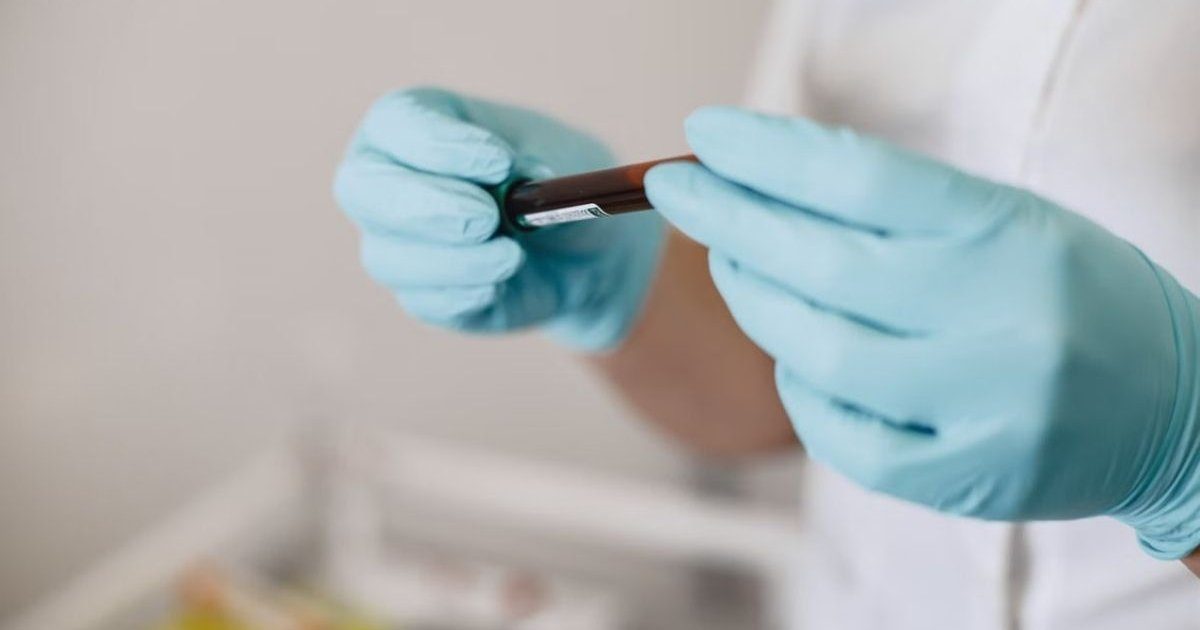
One Blood Sample Could Reveal Which Organs Are Aging Faster Than Expected
Urinalysis is a common diagnostic test that examines the physical, chemical, and microscopic properties of urine. This simple yet valuable test can provide important information about kidney function, urinary tract health, and various metabolic conditions. Healthcare providers frequently order urinalysis as part of routine checkups, to investigate symptoms like abdominal pain or painful urination, or to monitor existing medical conditions.
The test evaluates multiple components of urine including color, clarity, concentration, and acidity levels. Chemical analysis detects substances such as protein, glucose, ketones, blood, bilirubin, and white blood cells. The presence of these substances can indicate different health issues. For example, protein in urine may suggest kidney problems, while glucose could point to diabetes. Red or white blood cells might indicate infection, inflammation, or other urinary tract disorders.
Sample collection typically requires a clean-catch midstream urine specimen to minimize contamination. Patients are usually instructed to clean the genital area before urinating, release a small amount of urine into the toilet, then collect the sample in a sterile container. The specimen should be examined within one to two hours of collection or refrigerated to prevent bacterial growth and preserve the integrity of the sample. Some situations may require a first-morning urine sample, which is more concentrated and can reveal abnormalities more easily.
Laboratory technicians perform urinalysis using dipstick testing for chemical analysis and microscopic examination to identify cells, crystals, bacteria, and other particles. Results are compared against normal reference ranges to identify any abnormalities. While urinalysis is an excellent screening tool, abnormal results often require follow-up testing to confirm a diagnosis. Additional tests might include urine culture to identify specific bacteria causing infection, or blood tests to further evaluate kidney function or metabolic disorders detected through urinalysis.