
 magyar
 română
 slovenčina
 čeština
 English
 Deutsch
 polski
 italiano
 español
 svenska
 português
 français
 dansk
dansk
 suomi
suomi
 Nederlands
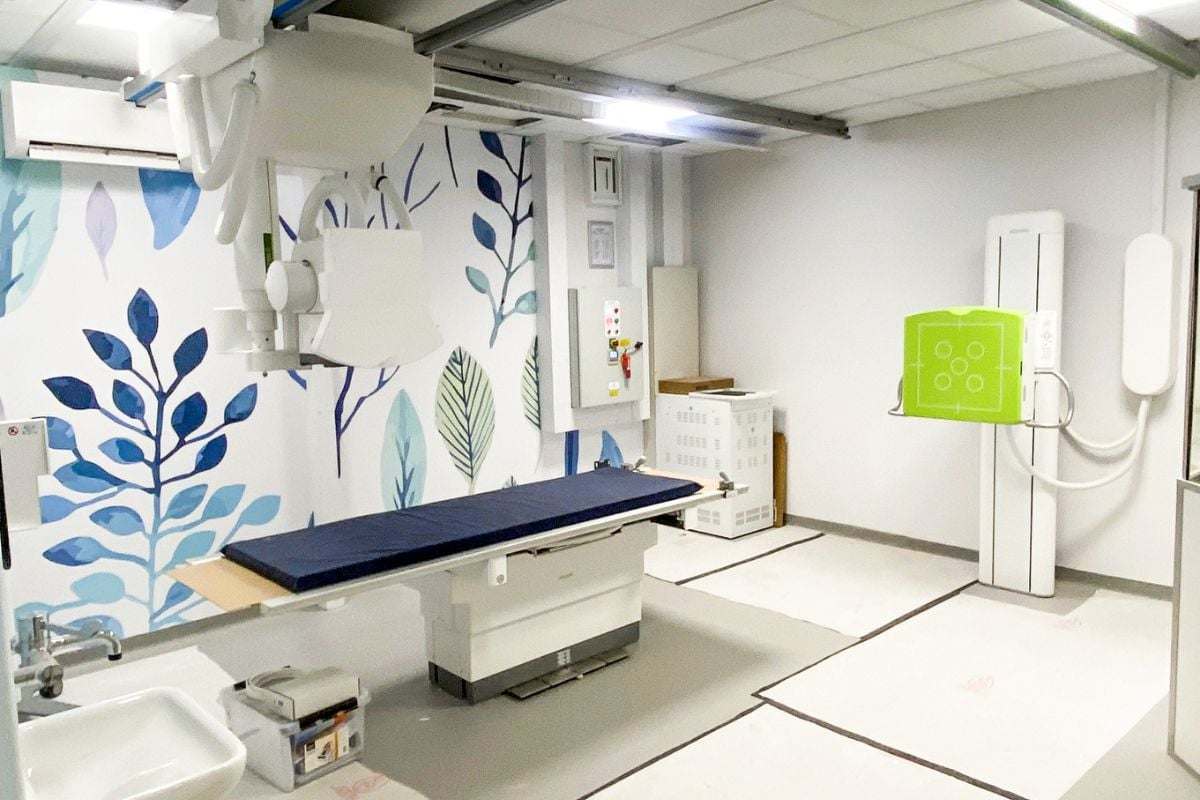
New Community Diagnostic Centre Offers Faster Lab Tests for Portsmouth Patients
Creatine kinase (CK) is an enzyme found in various tissues throughout the body, with the highest concentrations in the heart, brain, and skeletal muscles. This enzyme plays a crucial role in energy production by helping convert creatine to phosphocreatine, which stores energy in cells. When muscle or heart tissue becomes damaged, CK is released into the bloodstream, making it a valuable marker for detecting tissue injury. A CK blood test measures the amount of this enzyme in your blood to help diagnose and monitor conditions affecting these vital organs.
The CK test is commonly ordered when doctors suspect muscle damage, heart problems, or certain neurological conditions. Elevated CK levels can indicate a recent heart attack, muscle diseases such as muscular dystrophy or myositis, strenuous exercise, muscle trauma or injury, or inflammatory muscle conditions. The test is particularly useful in emergency situations when heart attack is suspected, though it is often combined with other cardiac markers like troponin for more accurate diagnosis. Additionally, doctors may order this test if you experience unexplained muscle weakness, muscle pain, or dark-colored urine, which can signal muscle breakdown.
There are three main types of CK enzymes, each found predominantly in different tissues: CK-MM primarily in skeletal muscles, CK-MB mainly in the heart muscle, and CK-BB mostly in the brain. A total CK test measures all types combined, while specific tests can identify which type is elevated, helping pinpoint the source of tissue damage. For example, elevated CK-MB levels suggest heart muscle damage, while high CK-MM levels typically indicate skeletal muscle injury. Some laboratories also offer CK isoenzyme tests to distinguish between these different forms.
The CK blood test is a simple procedure requiring a standard blood draw from a vein, usually in your arm. No special preparation is typically needed, though your doctor may ask you to avoid strenuous exercise for 24 hours before the test, as physical activity can temporarily raise CK levels. Results are usually available within a day or two. Normal CK levels vary depending on factors such as age, sex, race, and muscle mass, with men generally having higher levels than women due to greater muscle mass. Your healthcare provider will interpret your results in the context of your symptoms, medical history, and other test findings to determine the appropriate diagnosis and treatment plan.