
 magyar
 română
 slovenčina
 čeština
 English
 Deutsch
 polski
 italiano
 español
 svenska
 português
 français
 dansk
dansk
 suomi
suomi
 Nederlands
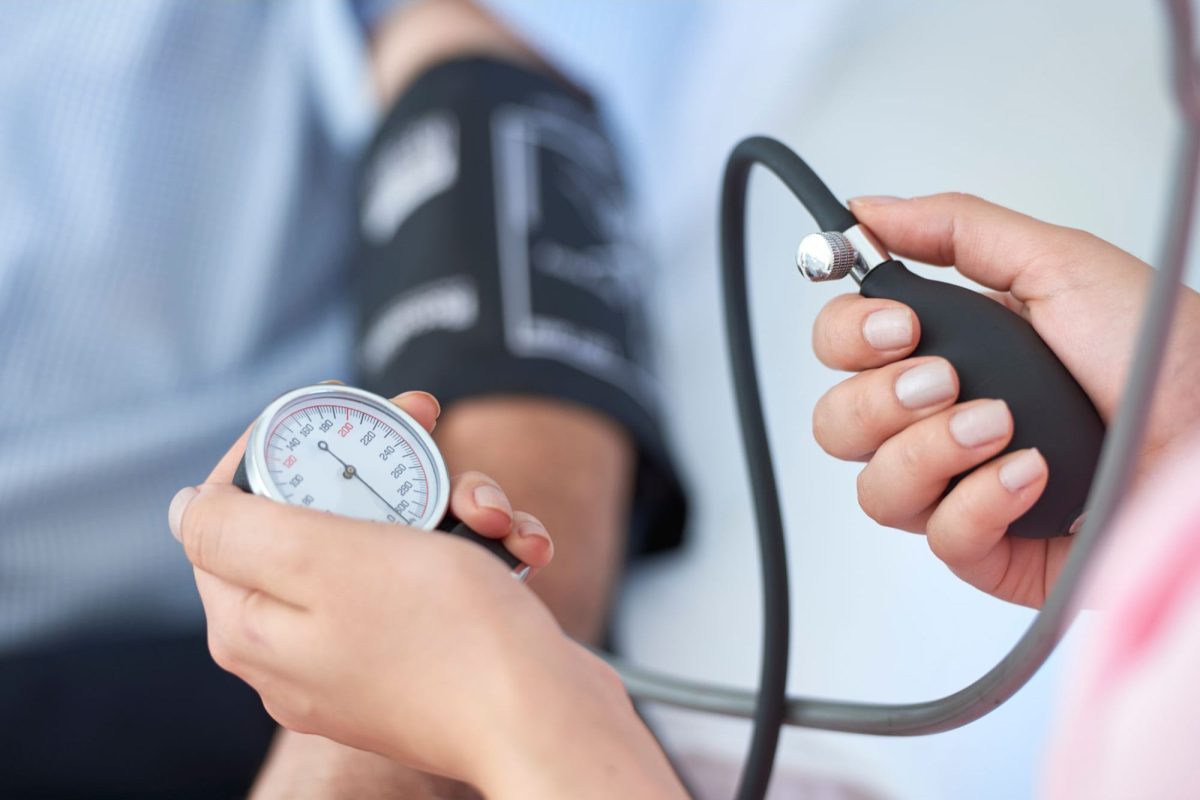
Hidden Hormone Disorder Linked to Millions of High Blood Pressure Cases
Liver function tests are essential diagnostic tools that help assess the health and performance of your liver. These blood tests measure various enzymes, proteins, and substances produced or processed by the liver to detect potential liver damage, disease, or dysfunction. The liver plays a critical role in many bodily functions, including filtering toxins from the blood, producing bile for digestion, storing energy, and manufacturing proteins necessary for blood clotting.
Common components of liver function tests include alanine aminotransferase (ALT) and aspartate aminotransferase (AST), which are enzymes that leak into the bloodstream when liver cells are damaged. Elevated levels of these enzymes often indicate liver inflammation or injury. Alkaline phosphatase (ALP) is another enzyme measured in these tests, and high levels may suggest bile duct obstruction or bone disorders. Bilirubin, a yellow pigment produced during the breakdown of red blood cells, is also measured, as elevated bilirubin can cause jaundice and may indicate liver problems or bile duct blockages.
Additional markers include albumin and total protein levels, which reflect the liver's ability to produce essential proteins. Low albumin levels may indicate chronic liver disease or malnutrition. Prothrombin time (PT) or international normalized ratio (INR) measures how long it takes for blood to clot and can reveal whether the liver is producing adequate clotting factors. Gamma-glutamyl transferase (GGT) is another enzyme that, when elevated, may indicate bile duct problems or excessive alcohol consumption.
Healthcare providers typically order liver function tests when patients show symptoms of liver disease such as jaundice, dark urine, light-colored stools, abdominal pain, nausea, or unexplained fatigue. These tests are also used to monitor existing liver conditions, assess the effects of medications that might affect the liver, or screen individuals at risk for liver disease due to factors like alcohol use, obesity, viral hepatitis, or family history of liver problems.
Preparing for liver function tests usually requires fasting for eight to twelve hours before the blood draw, though specific instructions may vary depending on which tests are ordered. Results are typically available within a few days, and your healthcare provider will interpret them in the context of your overall health, symptoms, and medical history. Abnormal results don't always mean serious liver disease, as many factors can temporarily affect liver enzyme levels, and further testing may be needed to determine the underlying cause of any abnormalities.