
 magyar
 română
 slovenčina
 čeština
 English
 Deutsch
 polski
 italiano
 español
 svenska
 português
 français
 dansk
dansk
 suomi
suomi
 Nederlands
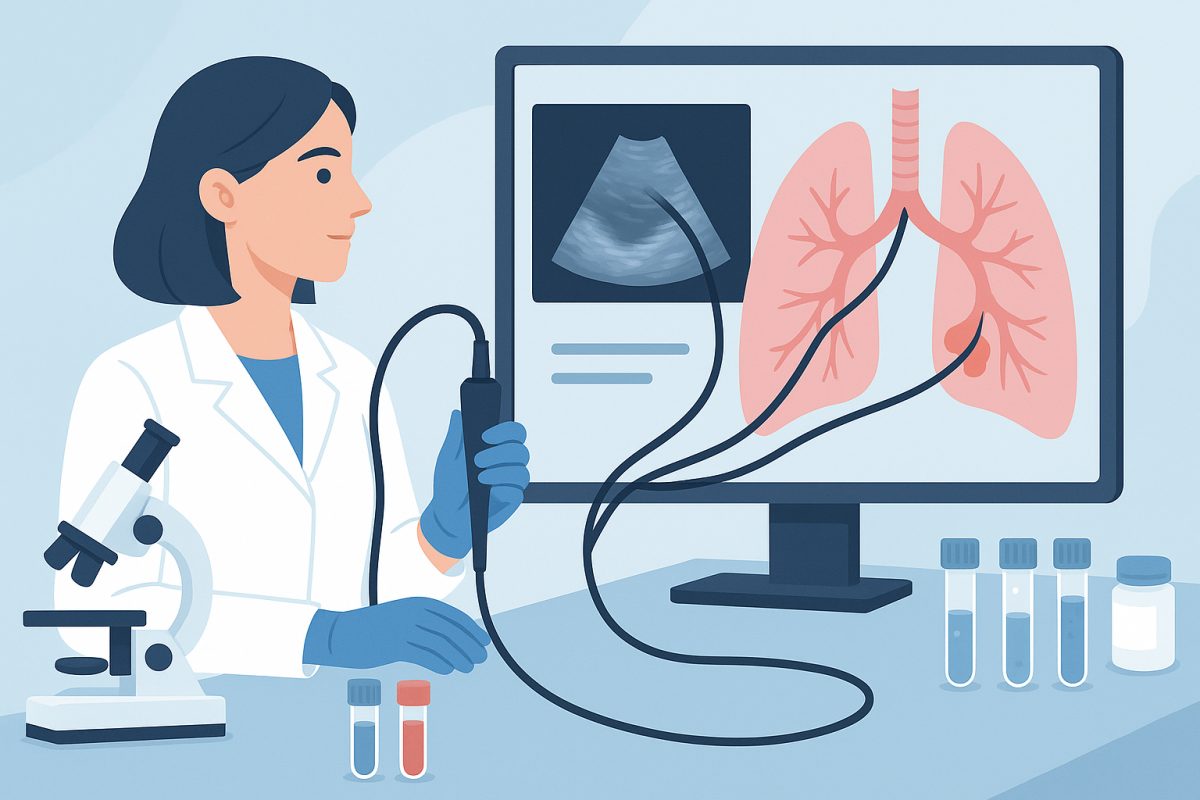
Endobronchial Ultrasound Biopsy: Growing Role in Modern Diagnostics
Hemoglobin A1c, commonly known as HbA1c or glycated hemoglobin, is a crucial laboratory test used to monitor blood sugar control over time. This test measures the percentage of hemoglobin proteins in red blood cells that have glucose attached to them. Because red blood cells have a lifespan of approximately three months, the HbA1c test provides an average picture of blood glucose levels over the past two to three months, making it more informative than a single blood glucose measurement taken at one point in time.
The HbA1c test is primarily used to diagnose and monitor diabetes mellitus. For diagnosis, an HbA1c level of 6.5 percent or higher on two separate occasions indicates diabetes, while levels between 5.7 and 6.4 percent suggest prediabetes, a condition where blood sugar is elevated but not yet in the diabetic range. Normal HbA1c levels are generally below 5.7 percent. For people already diagnosed with diabetes, the test is used regularly to assess how well their treatment plan is working. Most healthcare providers recommend that people with diabetes aim for an HbA1c level below 7 percent, though individual targets may vary based on age, overall health, and other factors.
The HbA1c test offers several advantages over traditional blood glucose testing. It does not require fasting before the blood sample is taken, making it more convenient for patients. The test is not affected by short-term fluctuations in blood sugar that might occur due to stress, illness, or recent meals. This stability makes it an excellent tool for evaluating long-term glucose control and the effectiveness of diabetes medications or lifestyle modifications.
Preparation for the HbA1c test is minimal, as no fasting or special dietary restrictions are needed. A small blood sample is typically drawn from a vein in the arm, and results are usually available within a few days. It is important to note that certain conditions can affect the accuracy of HbA1c results, including anemia, recent blood transfusions, certain hemoglobin variants, kidney disease, and liver disease. Patients should inform their healthcare provider about any medical conditions or recent treatments that might influence test results. Regular HbA1c testing, typically every three to six months for people with diabetes, helps ensure optimal blood sugar management and reduces the risk of diabetes-related complications.