
 magyar
 română
 slovenčina
 čeština
 English
 Deutsch
 polski
 italiano
 español
 svenska
 português
 français
 dansk
dansk
 suomi
suomi
 Nederlands
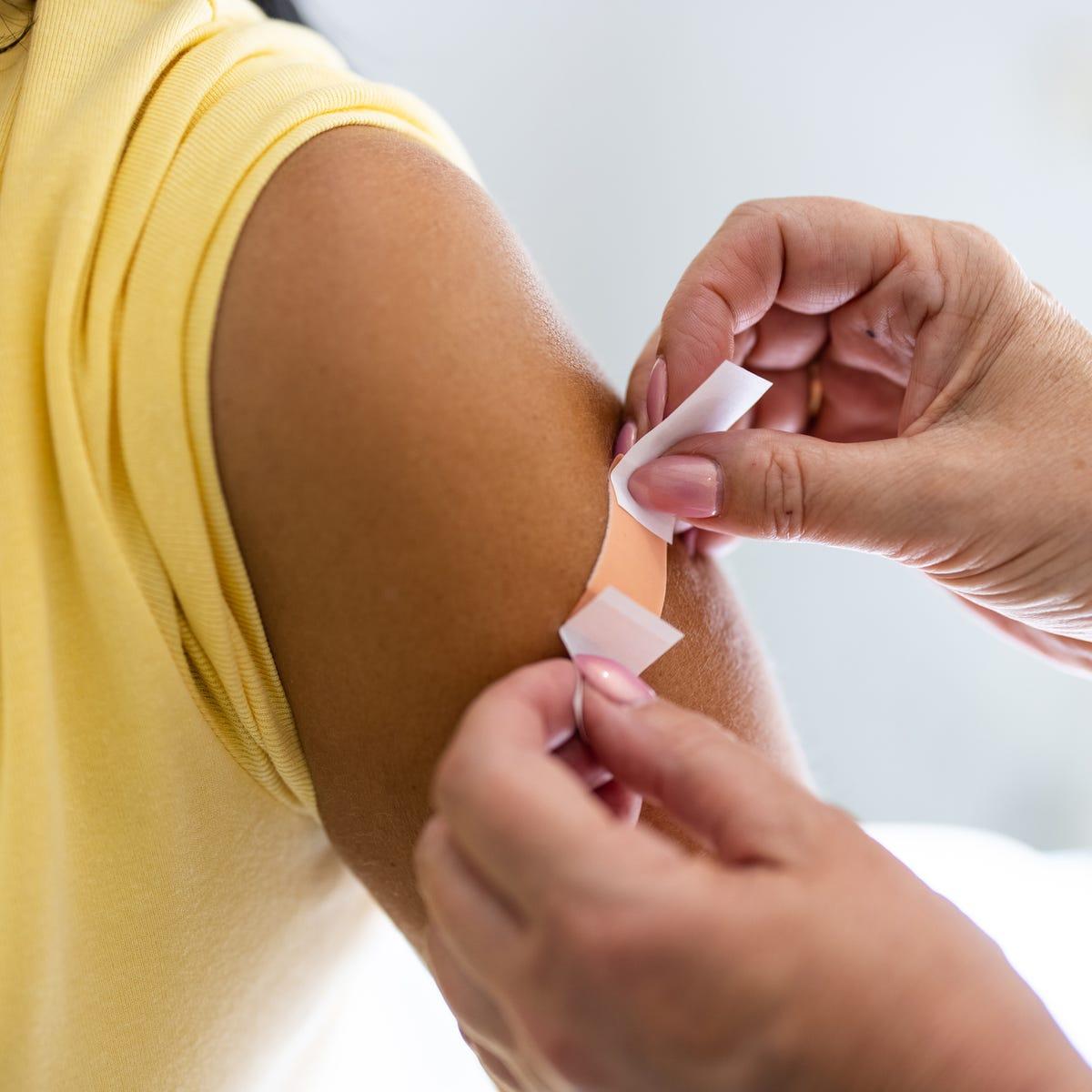
Do I Need a Measles Booster? Expert Guidance on Vaccination
Hepatitis B surface antibody, also known as anti-HBs or HBsAb, is a blood test that measures the presence of antibodies against the hepatitis B virus in your bloodstream. These antibodies develop either after successful vaccination against hepatitis B or following recovery from a hepatitis B infection. The presence of these antibodies indicates immunity to the hepatitis B virus, meaning your body has developed protection against future infections. This test is commonly ordered to verify that hepatitis B vaccination has been effective or to determine if someone has recovered from a past infection and developed immunity.
The test works by detecting specific proteins called antibodies that your immune system produces in response to the hepatitis B surface antigen, which is a protein found on the outer surface of the hepatitis B virus. When you receive the hepatitis B vaccine or when your body fights off a natural infection, your immune system learns to recognize this surface antigen and creates antibodies against it. These antibodies remain in your blood and provide long-term protection by quickly attacking the virus if you are exposed to it again in the future.
Healthcare providers typically order this test for several reasons. It is commonly used to check whether the hepatitis B vaccine has worked properly, especially in healthcare workers, people with weakened immune systems, or those at high risk of exposure to the virus. The test may also be ordered for people who have been exposed to hepatitis B to determine if they have immunity or need vaccination. Additionally, it helps distinguish between active infection, past infection with recovery, and immunity from vaccination when interpreted alongside other hepatitis B tests.
The results of the hepatitis B surface antibody test are usually reported as either positive or negative, though some laboratories provide a numerical value. A positive result generally means you have protective immunity against hepatitis B, either from vaccination or recovery from past infection. A negative result suggests you do not have immunity and may be susceptible to hepatitis B infection, indicating that vaccination may be recommended. In some cases, antibody levels may decrease over time, but this does not necessarily mean you have lost immunity, as your immune system may still remember how to fight the virus.
Understanding your hepatitis B surface antibody status is important for managing your health, especially if you work in healthcare, travel to areas where hepatitis B is common, or have other risk factors for exposure. If your test shows you lack immunity, your healthcare provider can recommend appropriate vaccination to protect you against this potentially serious liver infection.