
 magyar
 română
 slovenčina
 čeština
 English
 Deutsch
 polski
 italiano
 español
 svenska
 português
 français
 dansk
dansk
 suomi
suomi
 Nederlands
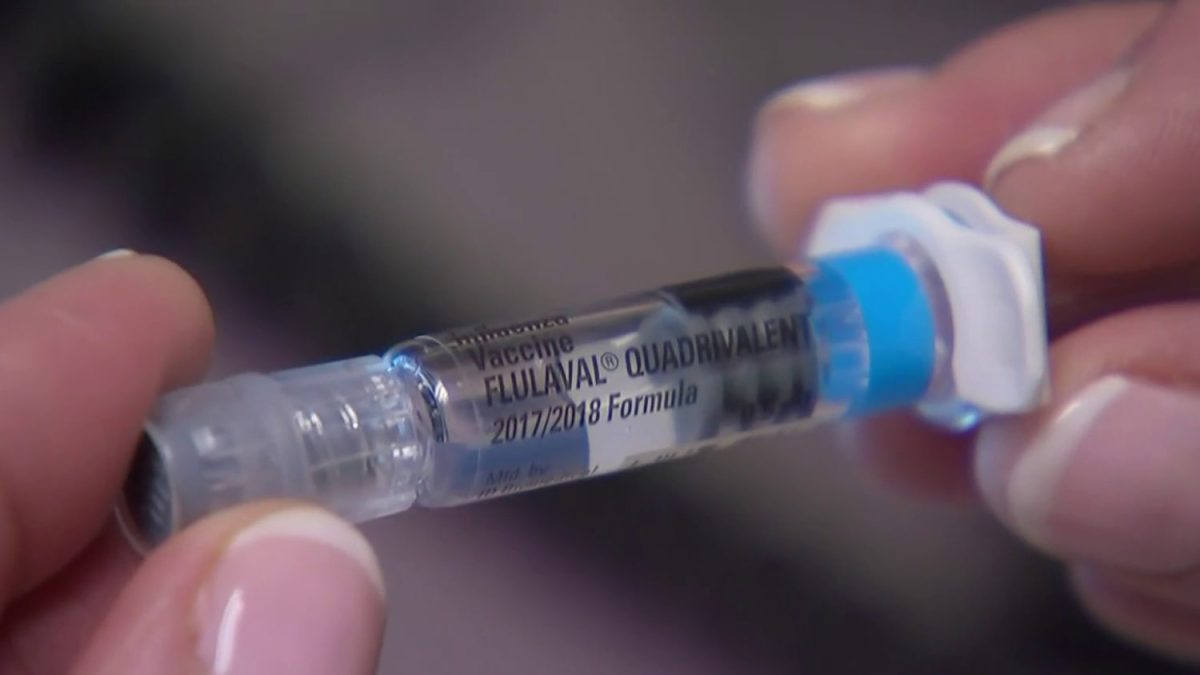
CDC Vaccine Guidance Update: New Recommendations from Medical Experts
Hemoglobin is a protein found in red blood cells that carries oxygen from the lungs to all parts of the body and returns carbon dioxide back to the lungs to be exhaled. A hemoglobin test measures the amount of this protein in your blood and is one of the most common blood tests performed as part of a complete blood count. This test helps healthcare providers evaluate your overall health and diagnose various conditions affecting your blood.
The hemoglobin test is used to screen for, diagnose, or monitor several medical conditions. It is commonly ordered when you show symptoms of anemia such as weakness, fatigue, pale skin, or shortness of breath. The test also helps detect polycythemia, a condition where you have too many red blood cells. Healthcare providers may order this test as part of routine health examinations, before surgery, during pregnancy, or to monitor chronic conditions that affect red blood cells. If you have been diagnosed with a blood disorder, regular hemoglobin testing helps track how well your treatment is working.
Normal hemoglobin levels vary depending on age and sex. For adult men, normal values typically range from 13.5 to 17.5 grams per deciliter, while for adult women the range is usually 12.0 to 15.5 grams per deciliter. Children and pregnant women have different reference ranges. Low hemoglobin levels indicate anemia, which can result from iron deficiency, vitamin deficiencies, chronic diseases, blood loss, or inherited blood disorders. High hemoglobin levels may occur due to living at high altitudes, smoking, dehydration, lung disease, or certain bone marrow disorders.
The hemoglobin test requires a simple blood sample, usually drawn from a vein in your arm. No special preparation is typically needed, though your healthcare provider will inform you if you need to fast or avoid certain medications. The procedure takes only a few minutes and involves minimal discomfort. Results are usually available within a day or two. If your hemoglobin levels are abnormal, your healthcare provider may order additional tests to determine the underlying cause and recommend appropriate treatment options.