
 magyar
 română
 slovenčina
 čeština
 English
 Deutsch
 polski
 italiano
 español
 svenska
 português
 français
 dansk
dansk
 suomi
suomi
 Nederlands
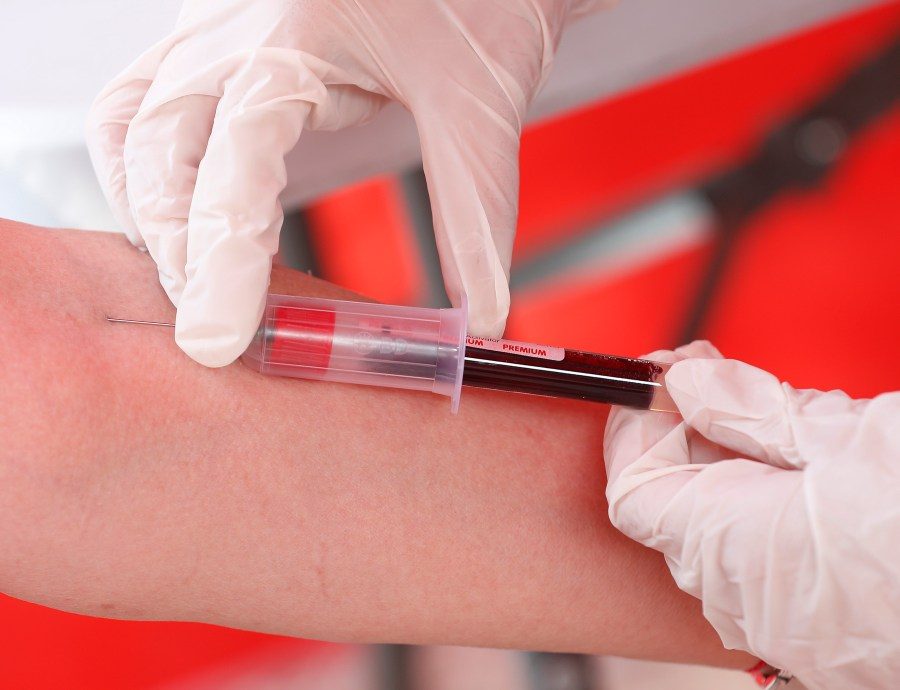
Blood Test May Predict Onset of ALS Symptoms
Hemoglobin A1c, commonly known as HbA1c or glycated hemoglobin, is a crucial blood test used to measure average blood sugar levels over the past two to three months. This test provides valuable information about long-term glucose control and is primarily used to diagnose and monitor diabetes. Unlike regular blood glucose tests that measure sugar levels at a single point in time, the HbA1c test reflects how well blood sugar has been controlled over an extended period. When glucose circulates in the bloodstream, it naturally attaches to hemoglobin, the protein in red blood cells that carries oxygen. The more glucose present in the blood, the more hemoglobin becomes glycated, and since red blood cells typically live for about three months, the test effectively captures an average of blood sugar levels during that timeframe.
For diagnostic purposes, HbA1c levels are interpreted according to specific ranges. A normal HbA1c level is below 5.7 percent, indicating that blood sugar levels have been within the healthy range. Levels between 5.7 and 6.4 percent suggest prediabetes, a condition where blood sugar is higher than normal but not yet high enough to be classified as diabetes. An HbA1c level of 6.5 percent or higher on two separate tests indicates diabetes. For people already diagnosed with diabetes, the test serves as a monitoring tool to assess how well treatment plans are working. Most diabetes management guidelines recommend that individuals with diabetes maintain an HbA1c level below 7 percent, though target levels may vary based on individual circumstances, age, and other health conditions.
The HbA1c test offers several advantages over traditional glucose monitoring methods. It does not require fasting, can be performed at any time of day, and is not affected by short-term fluctuations in blood sugar caused by stress, illness, or recent meals. This makes it a convenient and reliable measure of overall glucose control. Healthcare providers typically recommend testing HbA1c at least twice a year for people with diabetes who are meeting treatment goals, and more frequently for those whose treatment has changed or who are not meeting their targets.
However, certain factors can affect the accuracy of HbA1c results. Conditions that affect red blood cell turnover, such as anemia, recent blood loss, blood transfusions, or certain hemoglobin variants, may lead to falsely high or low readings. Kidney disease, liver disease, and some medications can also influence results. In such cases, healthcare providers may need to use alternative tests or interpret results with caution. Additionally, the HbA1c test may not accurately reflect blood sugar control in pregnant women, making other glucose monitoring methods more appropriate during pregnancy.
Understanding your HbA1c results is essential for effective diabetes management and prevention. Regular testing combined with lifestyle modifications such as healthy eating, regular physical activity, and appropriate medication when necessary can help maintain blood sugar within target ranges and reduce the risk of diabetes-related complications. Anyone with concerns about their HbA1c levels or diabetes risk should consult with their healthcare provider to develop an appropriate testing and management plan tailored to their individual needs.