
 magyar
 română
 slovenčina
 čeština
 English
 Deutsch
 polski
 italiano
 español
 svenska
 português
 français
 dansk
dansk
 suomi
suomi
 Nederlands
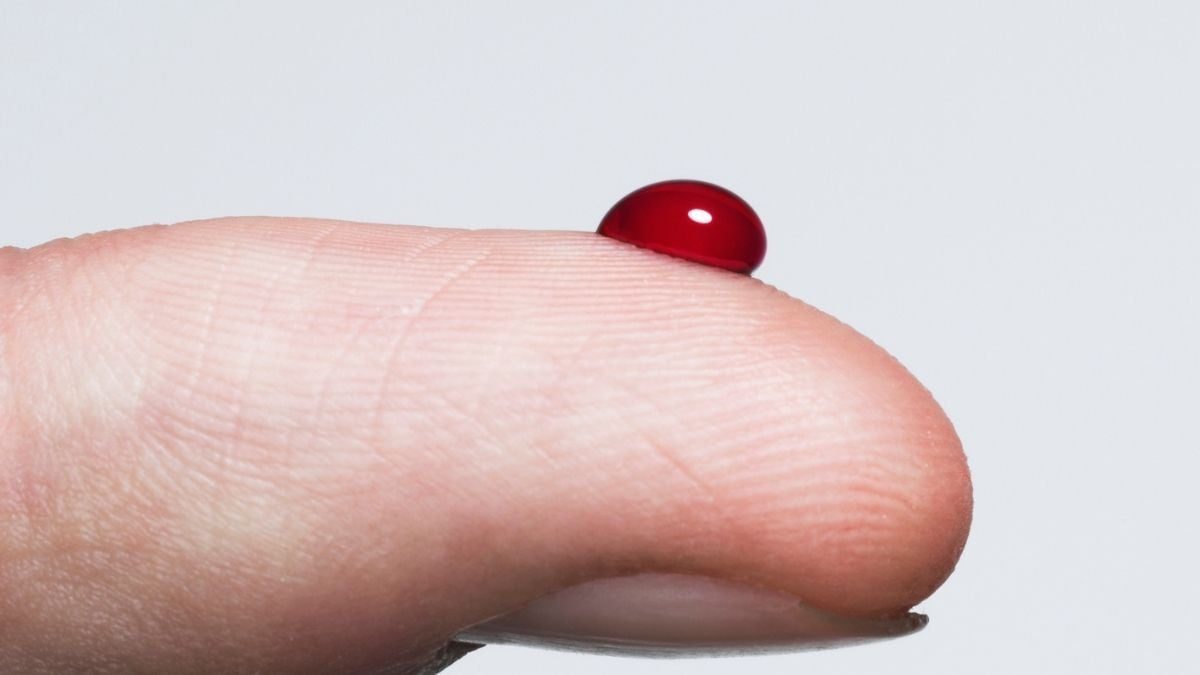
Blood Test May Determine Biological Age of Individual Organs
Urinary tract infections (UTIs) are among the most common bacterial infections affecting millions of people worldwide each year. These infections can occur anywhere along the urinary system, which includes the kidneys, ureters, bladder, and urethra. Women are particularly susceptible to UTIs due to their shorter urethra, which allows bacteria easier access to the bladder. While most UTIs affect the lower urinary tract, specifically the bladder and urethra, if left untreated, the infection can spread to the kidneys and cause more serious complications.
The diagnosis of a urinary tract infection typically involves several laboratory tests. The most common initial test is a urinalysis, which examines a urine sample for signs of infection such as white blood cells, red blood cells, bacteria, and nitrites. A urine culture is often performed as a follow-up test to identify the specific bacteria causing the infection and determine which antibiotics will be most effective for treatment. This culture involves growing bacteria from the urine sample in a laboratory setting, which usually takes 24 to 48 hours to produce results. Healthcare providers may also order a complete blood count or other blood tests if they suspect the infection has spread to the kidneys or bloodstream.
Common symptoms of UTIs include a strong, persistent urge to urinate, a burning sensation during urination, passing frequent small amounts of urine, cloudy or strong-smelling urine, and pelvic pain in women. When the infection involves the kidneys, symptoms may also include fever, chills, back or side pain, nausea, and vomiting. It is important to seek medical attention if you experience these symptoms, as prompt diagnosis and treatment can prevent complications.
Treatment for urinary tract infections typically involves a course of antibiotics prescribed based on the type of bacteria identified in the urine culture and its antibiotic sensitivity pattern. The duration of treatment varies depending on the severity and location of the infection, ranging from a few days for simple bladder infections to several weeks for kidney infections. Drinking plenty of water and urinating frequently can help flush bacteria from the urinary system. For people who experience recurrent UTIs, healthcare providers may recommend preventive measures such as low-dose antibiotics, lifestyle modifications, or further testing to identify underlying causes.