
 magyar
 română
 slovenčina
 čeština
 English
 Deutsch
 polski
 italiano
 español
 svenska
 português
 français
 dansk
dansk
 suomi
suomi
 Nederlands
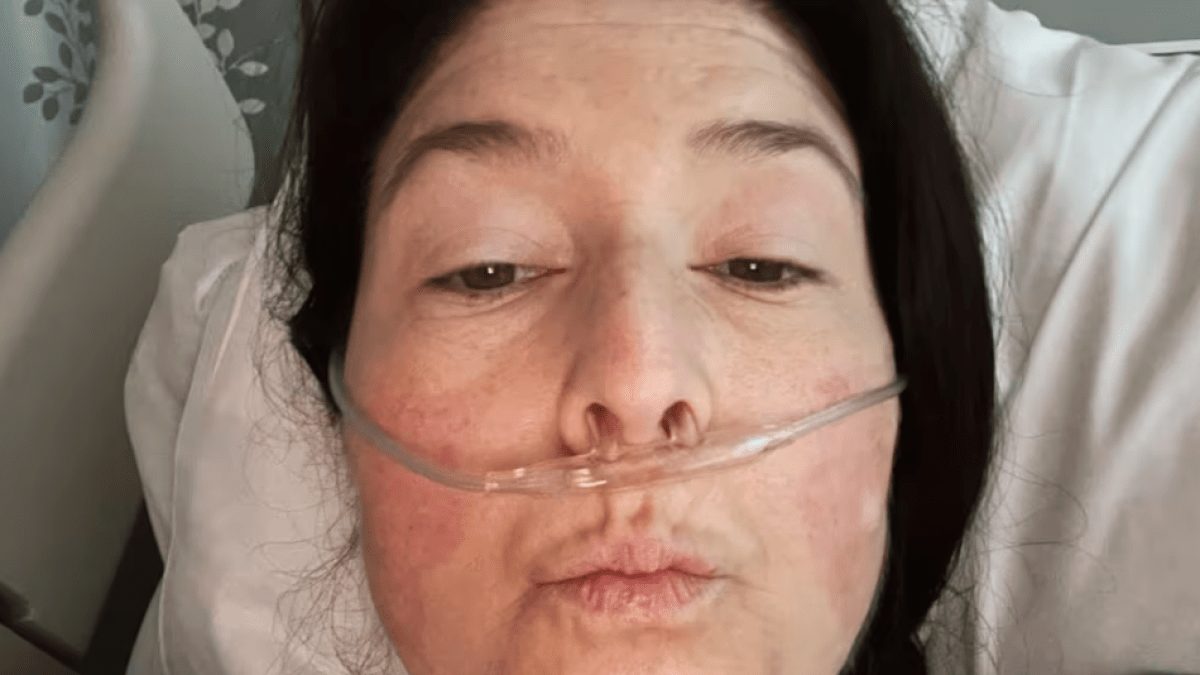
47-Year-Old Woman's Ovarian Cancer Detected After Single Sudden Symptom
Insulin is a hormone produced by the pancreas that plays a crucial role in regulating blood sugar levels in the body. When you eat, your blood glucose rises, and insulin helps move this glucose from the bloodstream into your cells where it can be used for energy or stored for later use. An insulin blood test measures the amount of insulin in your blood and is used to help diagnose and monitor various conditions related to blood sugar regulation.
Healthcare providers typically order insulin tests to investigate symptoms of low blood sugar such as sweating, rapid heartbeat, confusion, or fainting. The test is also useful in evaluating insulin resistance, a condition where cells don't respond properly to insulin, which can lead to type 2 diabetes. Additionally, insulin testing helps diagnose insulinomas, which are rare tumors of the pancreas that produce excess insulin, and can assist in monitoring patients with diabetes or metabolic syndrome. The test may be performed as a fasting insulin test or as part of a glucose tolerance test where insulin levels are measured at intervals after consuming a glucose solution.
Preparing for an insulin test usually requires fasting for at least eight hours before the blood sample is collected. During this time, you should avoid eating and drinking anything except water. Your healthcare provider may also ask you to temporarily stop certain medications that could affect the results. The blood sample is typically drawn from a vein in your arm using a standard blood collection procedure. Some discomfort or slight bruising at the needle site is normal but usually resolves quickly.
Normal insulin levels can vary depending on whether you are fasting or not. For fasting insulin, typical reference ranges are generally between 2 and 25 microunits per milliliter, though specific ranges may vary between laboratories. High insulin levels may indicate insulin resistance, type 2 diabetes, Cushing syndrome, or an insulinoma. Low insulin levels might suggest type 1 diabetes or pancreatic damage. It is important to note that insulin test results should always be interpreted by a healthcare professional in the context of other test results, symptoms, and medical history to determine the appropriate diagnosis and treatment plan.