
 magyar
 română
 slovenčina
 čeština
 English
 Deutsch
 polski
 italiano
 español
 svenska
 português
 français
 dansk
dansk
 suomi
suomi
 Nederlands
32-Year-Old With Fatigue: Blood Test Reveals Hidden Condition
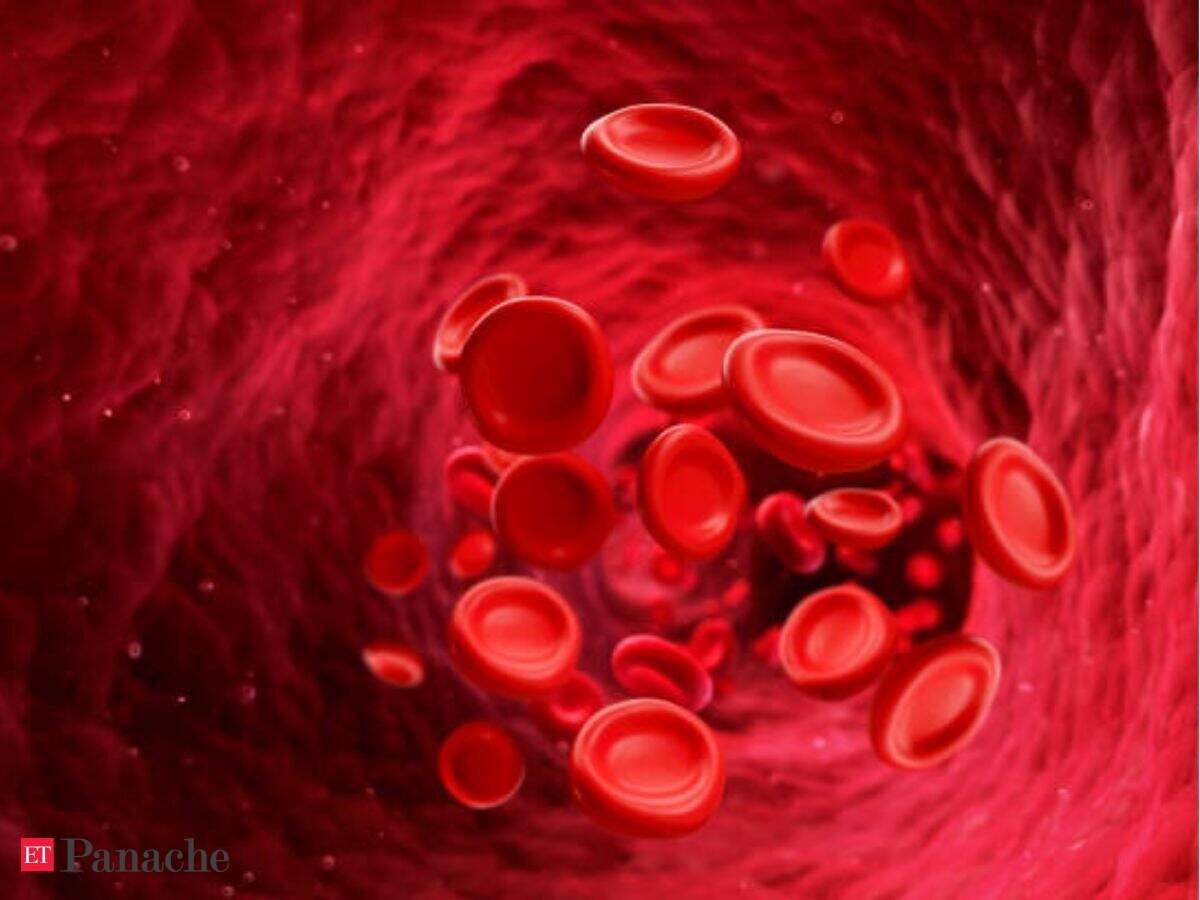
Hemoglobin is a crucial protein found in red blood cells that carries oxygen throughout the body. When hemoglobin levels are too low, a condition called anemia develops, which can cause fatigue, weakness, and various other health problems. Laboratory testing plays an essential role in diagnosing anemia and determining its underlying cause, allowing healthcare providers to recommend appropriate treatment.
The most common laboratory test for detecting anemia is the complete blood count, or CBC. This test measures several components of blood, including the number of red blood cells, the hemoglobin concentration, and the hematocrit level, which indicates the percentage of blood volume occupied by red blood cells. Normal hemoglobin levels typically range from 13.5 to 17.5 grams per deciliter for men and 12.0 to 15.5 grams per deciliter for women, though these ranges may vary slightly between laboratories. When hemoglobin falls below these normal ranges, further testing is usually needed to identify the specific type and cause of anemia.
Additional laboratory tests help determine why anemia has developed. Iron studies, including serum iron, ferritin, and total iron-binding capacity, can identify iron deficiency anemia, which is the most common type. Vitamin B12 and folate levels help diagnose anemia caused by nutritional deficiencies. A reticulocyte count measures how many young red blood cells are in the bloodstream, indicating whether the bone marrow is producing enough new cells. A peripheral blood smear allows laboratory professionals to examine the size, shape, and appearance of red blood cells under a microscope, providing clues about the type of anemia present.
Some cases require more specialized testing. For example, hemoglobin electrophoresis can detect abnormal forms of hemoglobin associated with inherited conditions like sickle cell disease or thalassemia. Tests for chronic kidney disease, thyroid function, or inflammatory markers may be ordered when doctors suspect these conditions are contributing to anemia. By combining results from multiple laboratory tests, healthcare providers can accurately diagnose the specific type of anemia and develop an effective treatment plan tailored to each individual's needs.